Courses
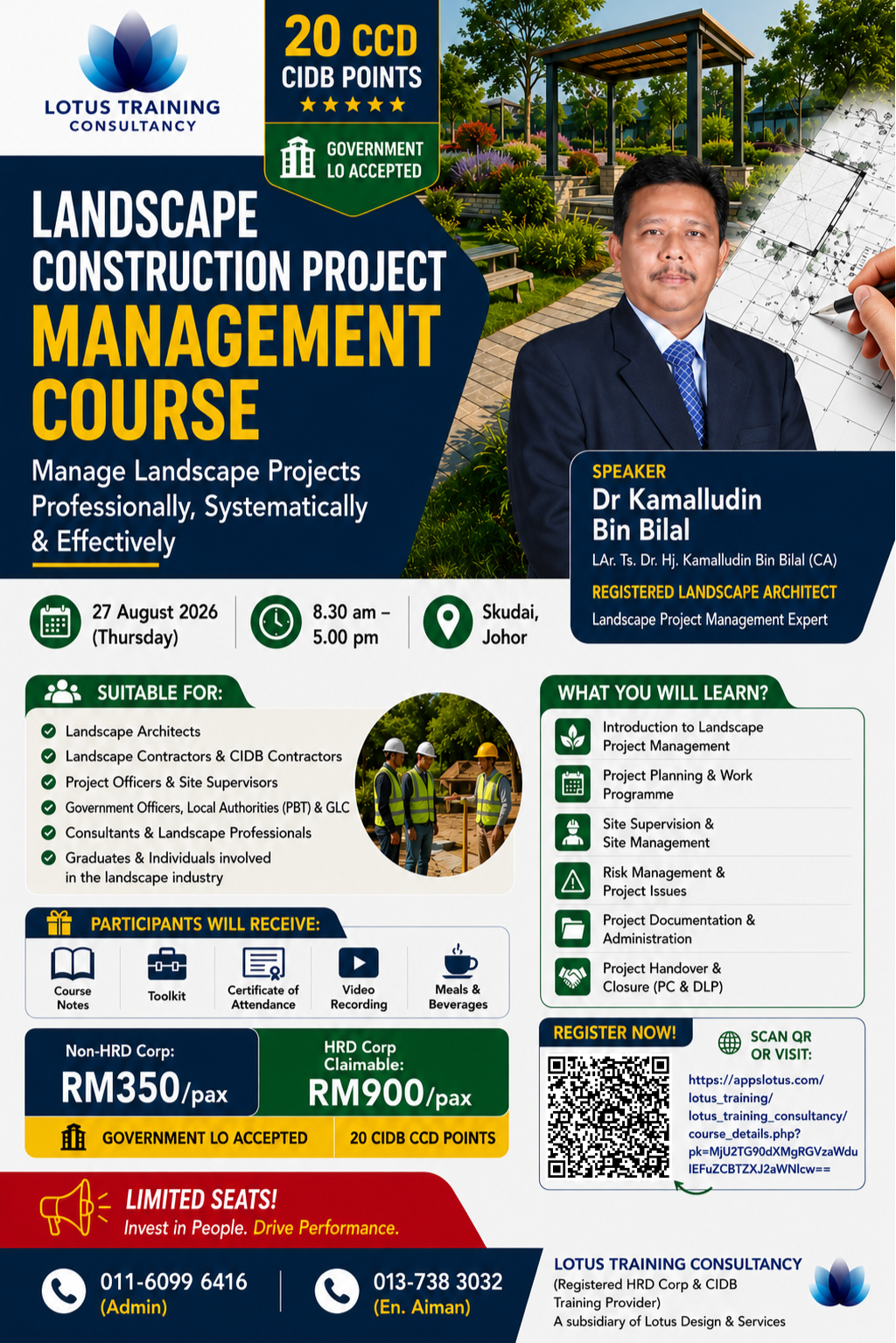
LANDSCAPE CONSTRUCTION PROJECT MANAGEMENT COURSE
Upon completion of this course, participants will be able to:
1. Understand the fundamental principles, concepts, and best practices of landscape construction project management.
2. Plan, execute, monitor, and control landscape construction projects effectively to achieve project objectives within the required scope, budget, schedule, and quality standards.
3. Apply practical project management techniques, including project planning, cost control, scheduling, site supervision, risk management, and project documentation.
4. Enhance competencies in managing contractors, handling Variation Orders (VO), Practical Completion (PC), and Defects Liability Period (DLP) in accordance with industry standards.
5. Develop the knowledge and professional skills required to deliver landscape construction projects efficiently, systematically, and in compliance with contractual and regulatory requirements.
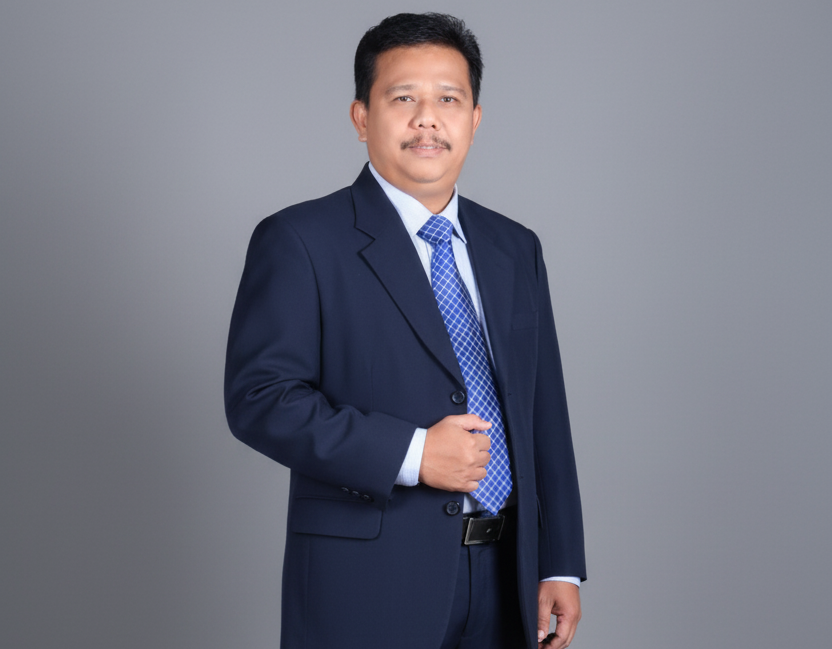
Speaker
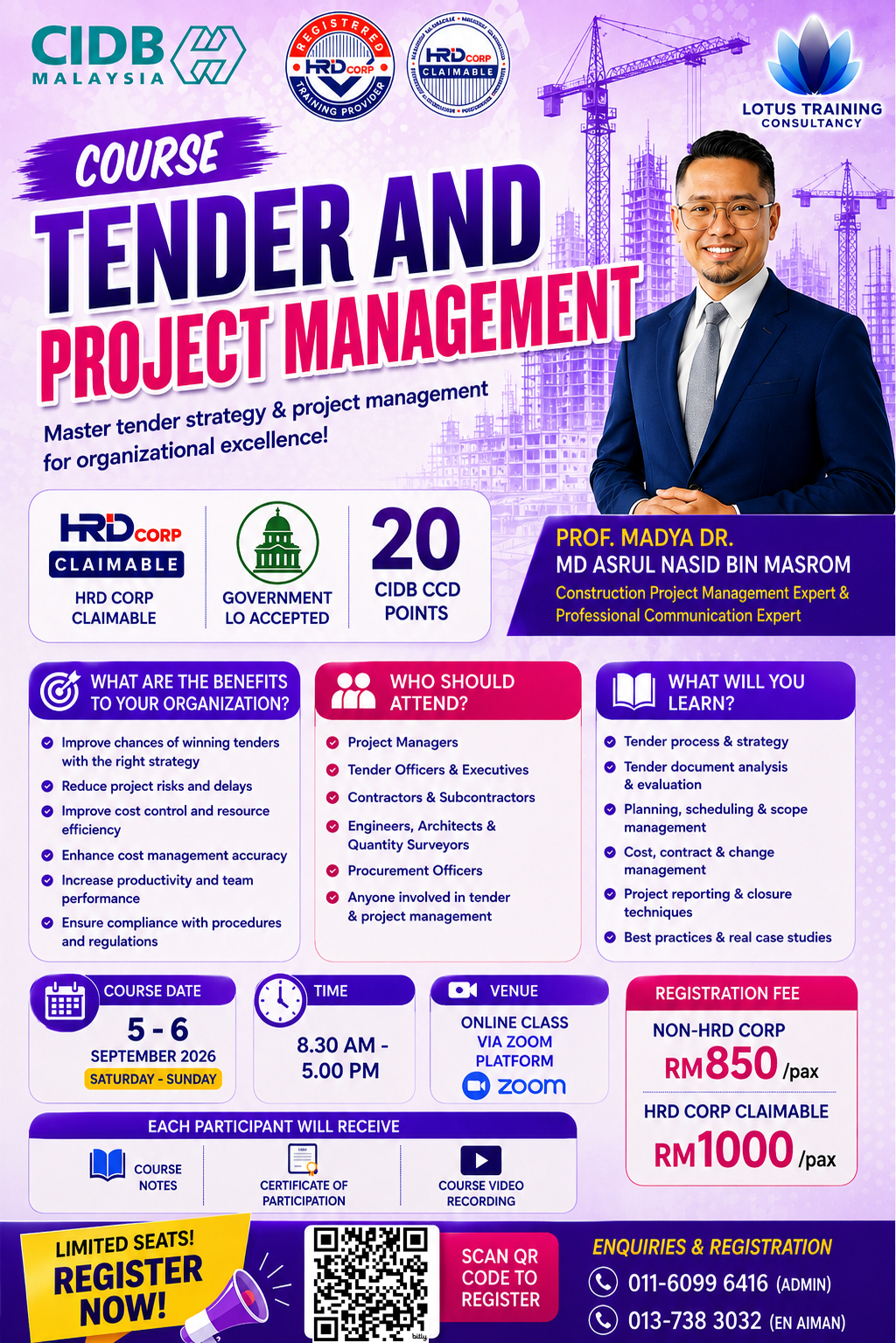
TENDER AND PROJECT MANAGEMENT COURSE
Upon completion of this course, participants will be able to:
1. Understand the complete tender management and project management lifecycle based on industry best practices.
2. Develop effective strategies for preparing, evaluating, and managing tender submissions professionally.
3. Strengthen competencies in planning, executing, monitoring, and controlling projects to achieve project objectives.
4. Improve cost, schedule, quality, and risk management for successful project delivery.
Enhance decision-making skills and organizational capability to increase tender success rates and overall project performance.
5. Apply practical tools and proven methodologies to manage projects efficiently while ensuring contractual and regulatory compliance.
Speaker

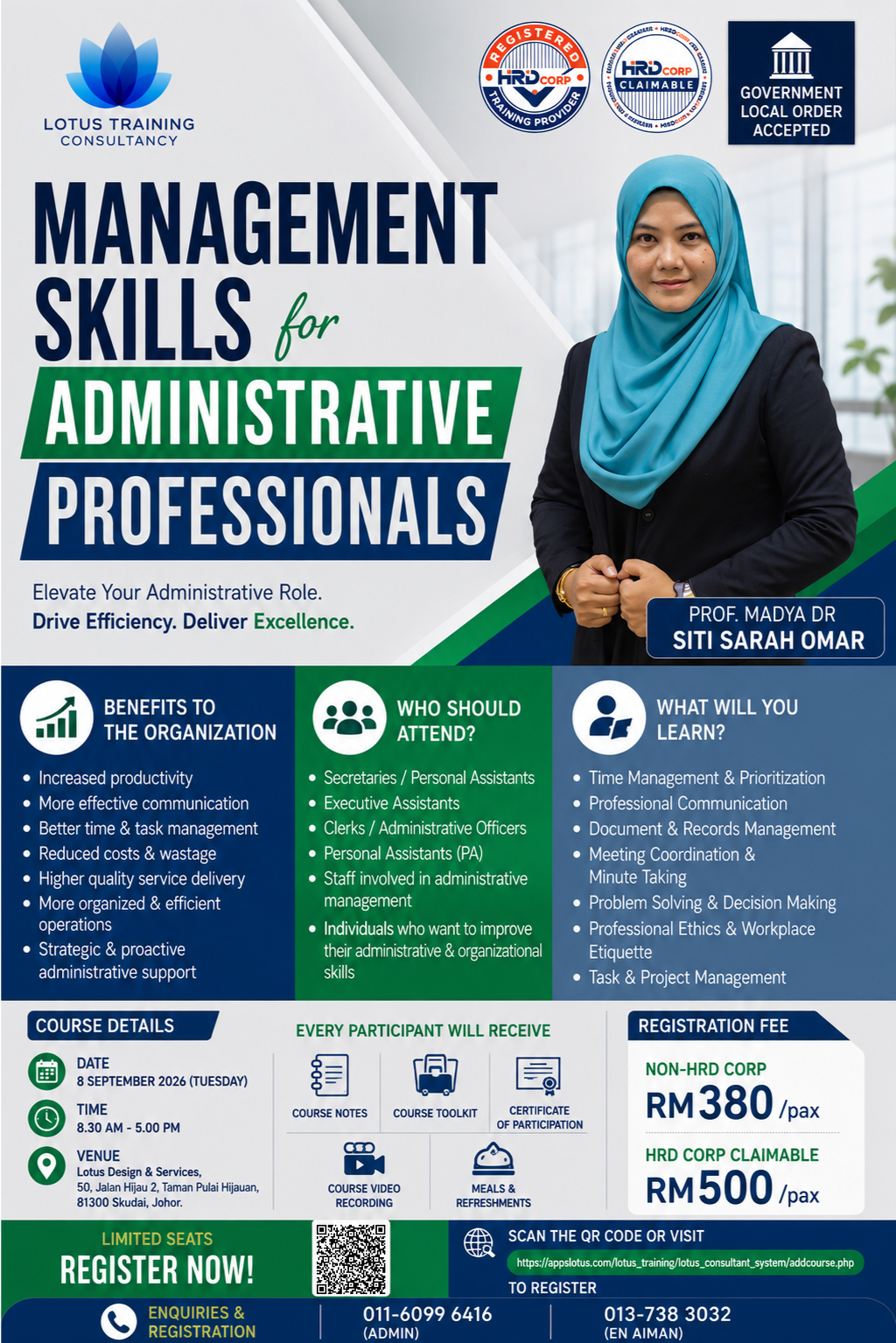
MANAGEMENT SKILLS FOR ADMINISTRATIVE PROFESSIONALS
By the end of this course, participants will be able to:
1. Develop effective management and administrative skills to perform their roles professionally and efficiently.
2. Apply practical time management and task prioritization techniques to improve workplace productivity.
3.Strengthen professional communication skills for effective internal and external interactions.
Enhance competency in managing documents, records, meetings, and daily administrative operations.
4.Improve problem-solving, decision-making, and task coordination skills in a dynamic work environment.
5. Demonstrate professionalism, ethical work practices, and a proactive mindset that contributes to organizational excellence.
Speaker